

If you're caring for someone at home, or managing leaks yourself, a good underpad saves a lot of laundry and late-night bed changes. This guide walks through sizes, absorbency, and styles in plain terms so you can pick the right pad the first time.
The quick answer
- For most adult beds, start with a 30 x 36 inch pad. It covers from the lower back to the thighs and is wide enough for someone who shifts a little in their sleep.
- Pick heavy absorbency for overnight and moderate absorbency for daytime or quick changes.
- Choose disposable if you change pads often, travel, or can't keep up with laundry. Choose reusable if you have a washer close by and want a lower cost over time.
- Using a low air loss or alternating pressure mattress? Use a pad labeled "low air loss" or "breathable." Regular plastic-backed pads block the airflow these mattresses are built around.
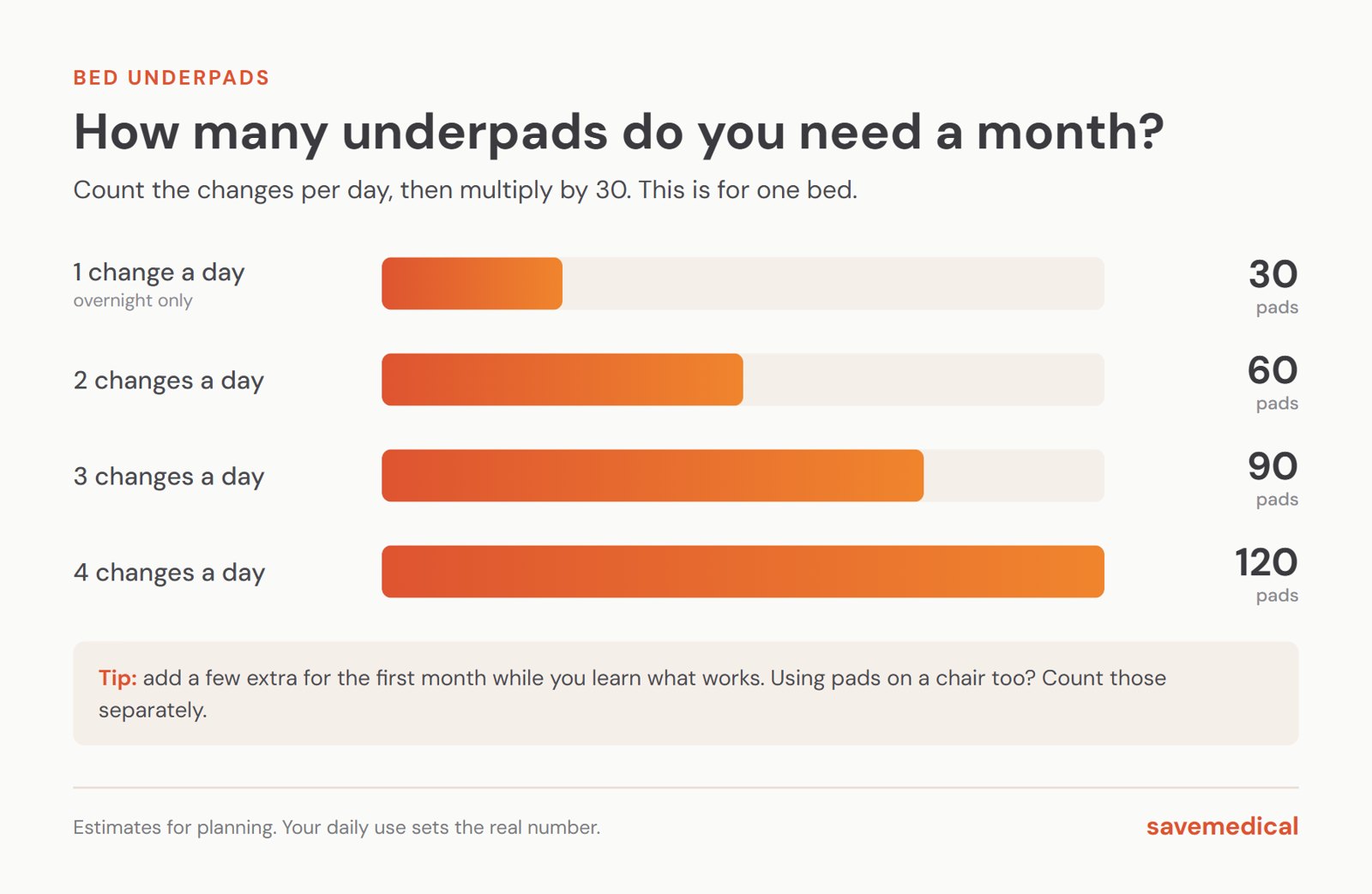
- Plan on about 60 to 120 pads a month for one bed if you change 2 to 4 times a day.
You can see all of our options on the Underpads and Bedding Protection page.
What is an underpad (and why do people call it a chux)?
An underpad is a flat, absorbent pad that goes on top of a bed, chair, or wheelchair seat to catch leaks before they reach the surface underneath. It has three layers: a soft top sheet, an absorbent core in the middle, and a waterproof backing on the bottom.
You'll also hear them called chux pads, bed pads, or blue pads. "Chux" started out as a brand name decades ago and stuck around as the everyday word, much like "Kleenex." Some caregivers also explain it as the pad you "chuck" once it's used. Either way, if a nurse or home health aide asks you to pick up some chux, they mean disposable underpads.
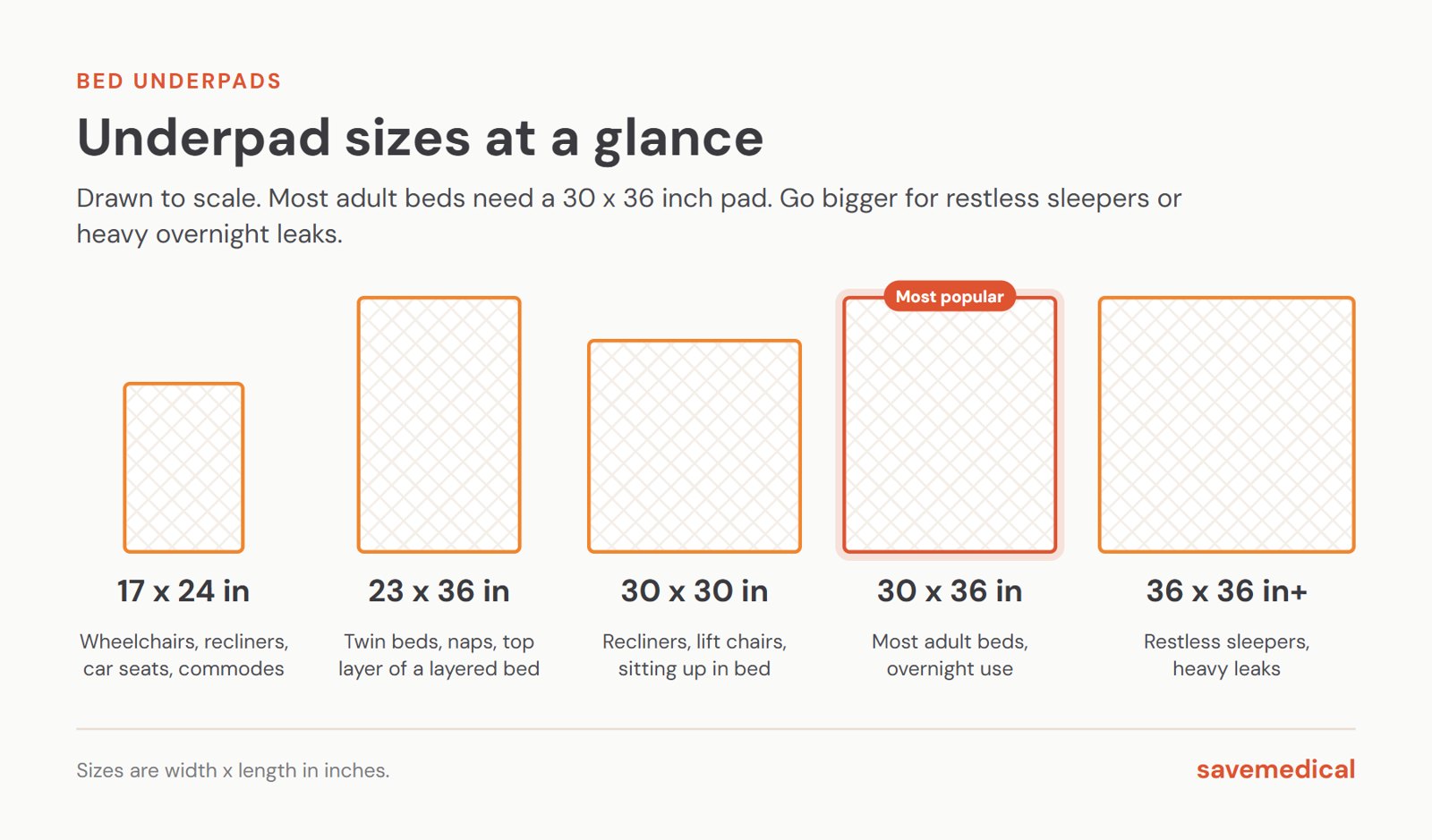
Underpad sizes at a glance
Sizes are listed width by length in inches. Measure the spot you want to cover first. A pad that's too small is a common reason leaks reach the sheets.
| Size | What it covers | Best for |
|---|---|---|
| 17 x 24 in | A chair seat or small spot | Wheelchairs, recliners, car seats, commodes, under a changing area |
| 23 x 24 in | A larger chair seat | Chairs and small spaces where a bed pad would hang over the edge |
| 23 x 36 in | Hips and part of the thighs | Twin beds, light movers, daytime naps, the top layer of a layered bed |
| 30 x 30 in | A square area under the hips | Recliners, lift chairs, and people who sit up in bed |
| 30 x 36 in | Lower back to upper thighs | The go-to size for most adult beds, overnight use |
| 36 x 36 in and up | Most of the middle of the bed | Restless sleepers, larger adults, heavy overnight leaks |
| 34 x 36 in reusable | Middle of the bed, often with tuck-in sides | Everyday home use where the pad needs to stay put |
Tip: Lay the pad across the bed, centered under the hips, not running head to foot. Smooth out any folds. Folds and bunching are where leaks usually sneak through.
Disposable vs. reusable underpads
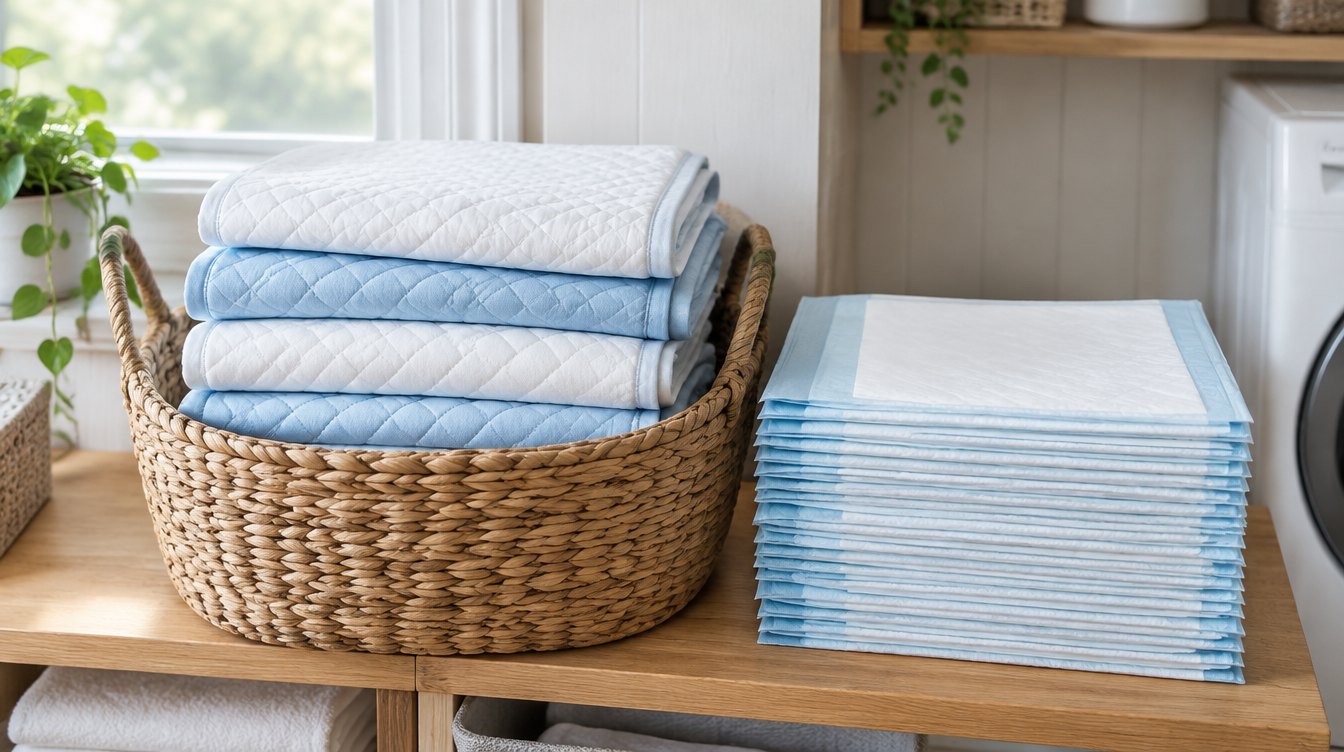
Both work well. The best choice depends on how often you change the bed, how much laundry you can take on, and your budget.
| Disposable underpads | Reusable (washable) underpads | |
|---|---|---|
| How they work | Use once, then throw away | Wash and reuse many times |
| Absorbency | Light to extra heavy. Many use a super absorbent core that turns liquid into gel | Usually light to moderate. Quilted fabric layers soak up liquid |
| Cost | Lower price up front, but you keep buying | Higher price per pad, lower cost over time |
| Laundry | None | A wash and dry every time. Plan on 3 or more pads per bed so one is always clean |
| Staying in place | Can slide on smooth sheets | Often heavier, and some have tuck-in sides |
| Comfort | Varies. Cloth-like backs are quieter than plastic | Soft and quiet, more like bedding |
| Best for | Frequent changes, heavier leaks, travel, messy nights | Steady, predictable use at home |
Plenty of families use both: a reusable pad day to day, and a disposable on top overnight.
Caring for reusable pads: Skip fabric softener and dryer sheets. They make the pad less absorbent. Follow the label for water temperature and bleach.
Absorbency levels, explained
There's no industry-wide rule for what "light" or "heavy" means, so one brand's moderate can be another brand's heavy. Use the labels as a starting point and compare products within the same brand line.
- Light: For small leaks, chair use, or a backup layer. Often a fluff-only core.
- Moderate: For everyday use when you can change the pad soon after it's wet. Good daytime choice.
- Heavy: For overnight, larger leaks, or when changes are spread out. Most heavy pads add a super absorbent polymer (SAP) core.
- Super or maximum: For the heaviest leaks and the longest stretches between changes.
Fluff vs. polymer cores: A fluff-only core is made of wood pulp, a lot like a paper towel. It soaks up liquid fast but can let it squeeze back out when someone sits on it or rolls over. A polymer core pulls liquid in and holds it as a gel, so the surface stays drier under pressure. If someone spends long stretches in bed, a polymer core is usually worth the small extra cost.
Breathable and low air loss underpads
A standard underpad has a plastic backing. It's great at keeping liquid off the mattress, but it also traps heat, and it can feel warm and crinkly.
A breathable underpad uses a cloth-like backing that lets air pass through while still holding liquid in. Many caregivers like these for people who spend long periods in bed because they feel cooler and quieter.
A low air loss underpad is a breathable pad made to work with low air loss and alternating pressure mattresses. These mattresses move air through the surface on purpose. A plastic-backed pad blocks that airflow, which works against what the mattress is designed to do. If the mattress came from a home health or equipment company, check the manual or ask them which pads they want you to use.
For any questions about skin care for someone who's in bed most of the day, their nurse or doctor is the best person to ask.
What caregivers say
We read caregiver conversations on Reddit and product reviews from across the web. A few tips came up again and again:
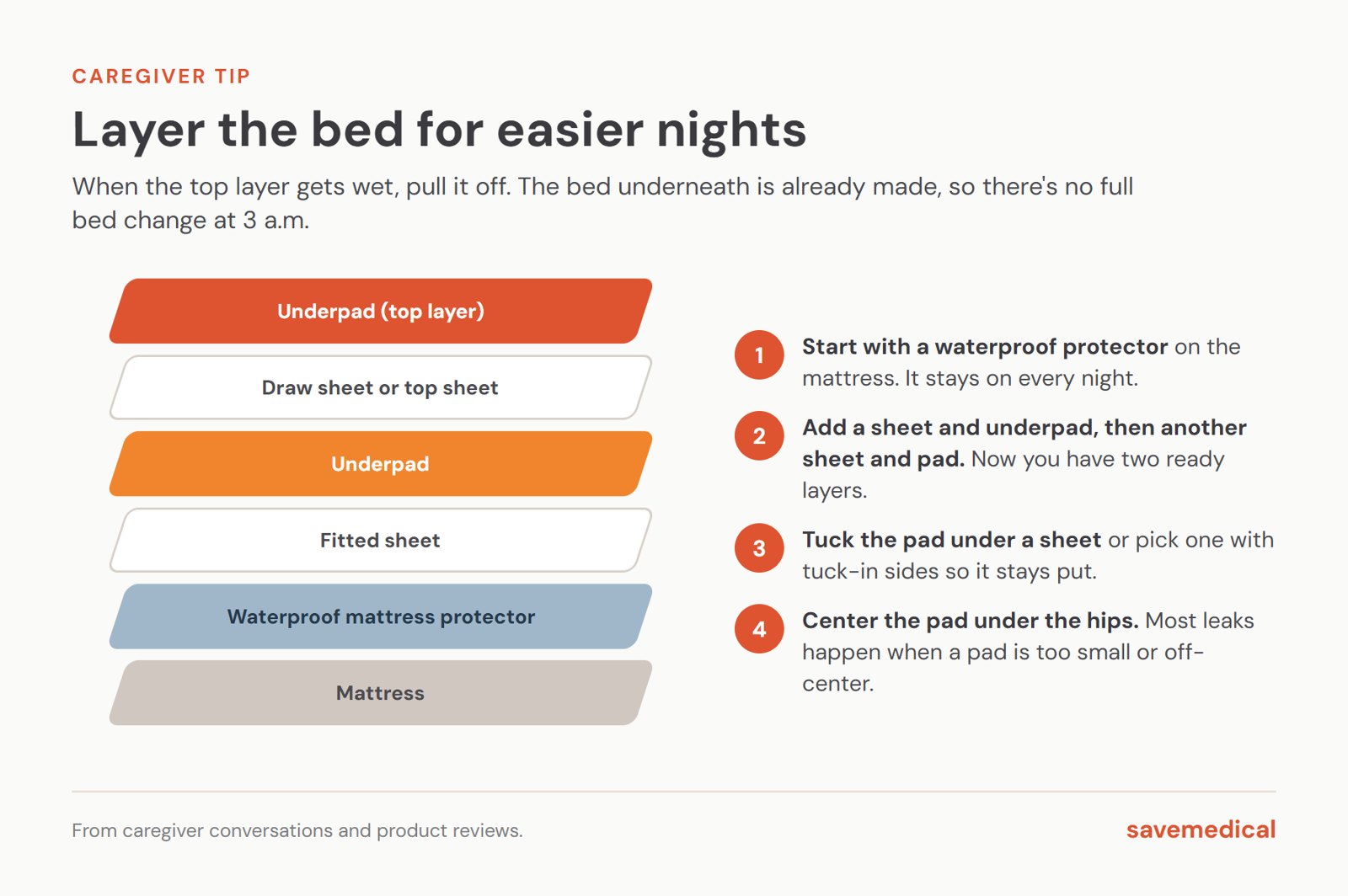
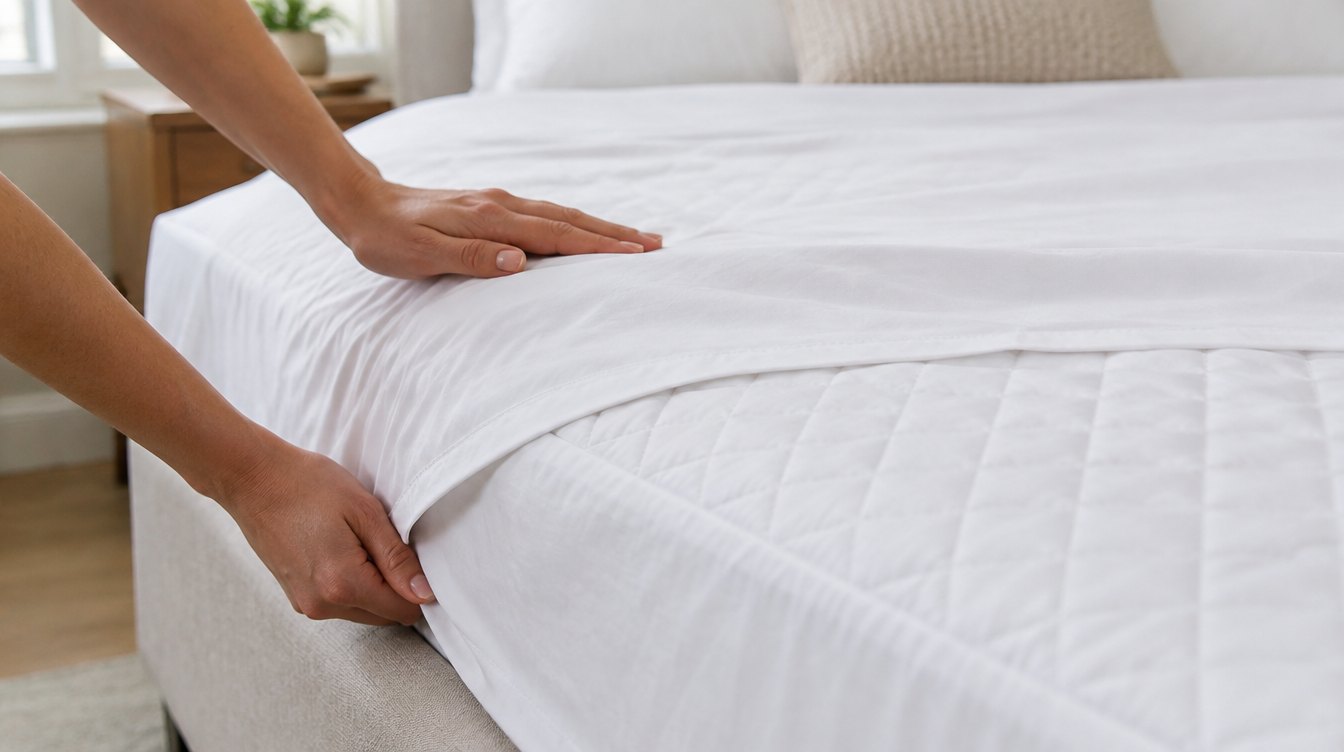
- Layer the bed so you only strip one layer at night. Several caregivers make the bed in stacks: waterproof mattress protector, sheet, underpad, then another sheet and pad on top. When the top layer gets wet, pull it off and the bed underneath is ready to go. No full bed change at 3 a.m.
- Keep the pad from sliding. People who had trouble with pads bunching up had the best luck putting the pad under a draw sheet or the top sheet, or using a reusable pad with tuck-in sides. Reviewers say the same: lightweight pads can shift when someone gets in or out of bed.
- A pad is a second line of defense, not the only one. Caregivers often pair an overnight brief with a heavy underpad, and keep a waterproof mattress protector on the bed no matter what.
- Bigger is cheaper than a wet mattress. Reviewers often say a larger, heavier pad means using one pad a night instead of two. The most common complaint in reviews is liquid getting underneath when the person isn't centered on the pad or the pad is too small.
- Buying by the case adds up. For daily use, families say case packs bring the cost per pad down a lot. Some use large puppy training pads in a pinch, but many find them smaller and less comfortable than pads made for adults.
How many underpads do you need per month?
Here's the simple math for one bed:
Caregiver tip
Buy a bag first to test the size and feel, then switch to a case once you know what works.
changes per day x 30 days = pads per month
| Changes per day | Pads per month |
|---|---|
| 1 (overnight only) | about 30 |
| 2 | about 60 |
| 3 | about 90 |
| 4 | about 120 |
Then add a little extra. Count both pads if you layer them, add chair pads if you use them, and keep a spare bag on the shelf for busy weeks.
Most of our underpads come in a smaller bag to try first and a full case once you know what works. With reusables, plan on 3 to 4 pads per bed: one on the bed, one in the wash, and one or two clean and ready.
Our picks
These are good starting points in each category.
Everyday disposable: McKesson Super Moderate Absorbency Underpad. A fluff and polymer core in 23 x 36 or 30 x 30 inch sizes. Comes in a bag of 10 or a case of 150, which makes it an easy daily pad.
Heavy and overnight: Prevail Total Care Heavy Absorbency Underpad. A 30 x 36 inch pad with a quilted top and a leak-resistant backing. Bag of 25 or case of 100.
Also for overnight: Attends Care Night Preserver Underpads. Made for nighttime in the full 30 x 36 inch size. Pack of 10 or case of 100.
Low air loss, smaller size: McKesson Ultra Breathable Heavy Absorbency Low Air Loss Underpad. Breathable backing with heavy absorbency in a 23 x 36 inch size that fits well on hospital and twin beds.
Low air loss, full size: Tranquility AIR-Plus Low Air Loss Underpad. A 30 x 36 inch breathable pad with a super absorbent core. Bag of 10 or case of 40.
Reusable: Cardinal Health Reusable Underpad. A 34 x 36 inch quilted pad with four absorbent layers, a vinyl backing, and sides that tuck under the mattress so it stays in place.
Chairs and small spots: McKesson Classic Underpads. Light 17 x 24 inch pads for chair seats, wheelchairs, and commodes. Sold by the case of 300.
Not sure which one fits? Browse the full Underpads and Bedding Protection collection, or call us at 866-420-6997 and a real person will help you sort it out. Free shipping on orders $75+. Applied automatically at checkout.
Frequently asked questions
What's the difference between underpads and chux pads? Nothing, really. "Chux" is a common nickname for disposable underpads. Bed pads and blue pads mean the same thing.
What size underpad is best for adults? For most adult beds, 30 x 36 inches is a good fit. Go up to 36 x 36 inches or larger for restless sleepers, larger adults, or heavy overnight leaks. Use 17 x 24 or 23 x 24 inches for chairs and wheelchairs.
Are disposable or reusable underpads better? Neither is better across the board. Disposables are easier and usually more absorbent. Reusables cost less over time if you can keep up with the laundry. Many families keep both on hand.
What is a low air loss underpad? It's a breathable underpad made to be used on low air loss or alternating pressure mattresses. It lets air pass through, where a plastic-backed pad would block it. If you have one of these mattresses, check with the company that supplied it about which pads to use.
How do I keep an underpad from sliding or bunching? Center it under the hips, smooth out any folds, and try placing it under a draw sheet. Reusable pads with tuck-in sides stay put better than lightweight disposables.
How many underpads should I buy? Multiply the number of changes per day by 30. Two to four changes a day works out to about 60 to 120 pads a month for one bed. Add a few extra for chairs and a spare bag for busy weeks.

